This complete herbal profile covers everything you need to know about aloe vera — what it is, where it comes from, what is inside it, what it genuinely does, and how to use it safely and effectively.
Herbal Profile of Aloe Vera Quick Reference
| Botanical Name | Aloe barbadensis (also known as Aloe vera) |
| Plant Family | Liliaceae (Lily Family) |
| Common Names | Burn Plant, Medicine Plant, First Aid Plant, Lily of the Desert |
| Parts Used | Leaves (both the clear inner gel and the bitter yellow latex just beneath the outer skin) |
| Flowering Season | Most of the year |
| Native Habitat | East and South Africa; cultivated widely throughout tropical and subtropical regions worldwide |
Herbal Profile of Aloe Vera Botanical Description
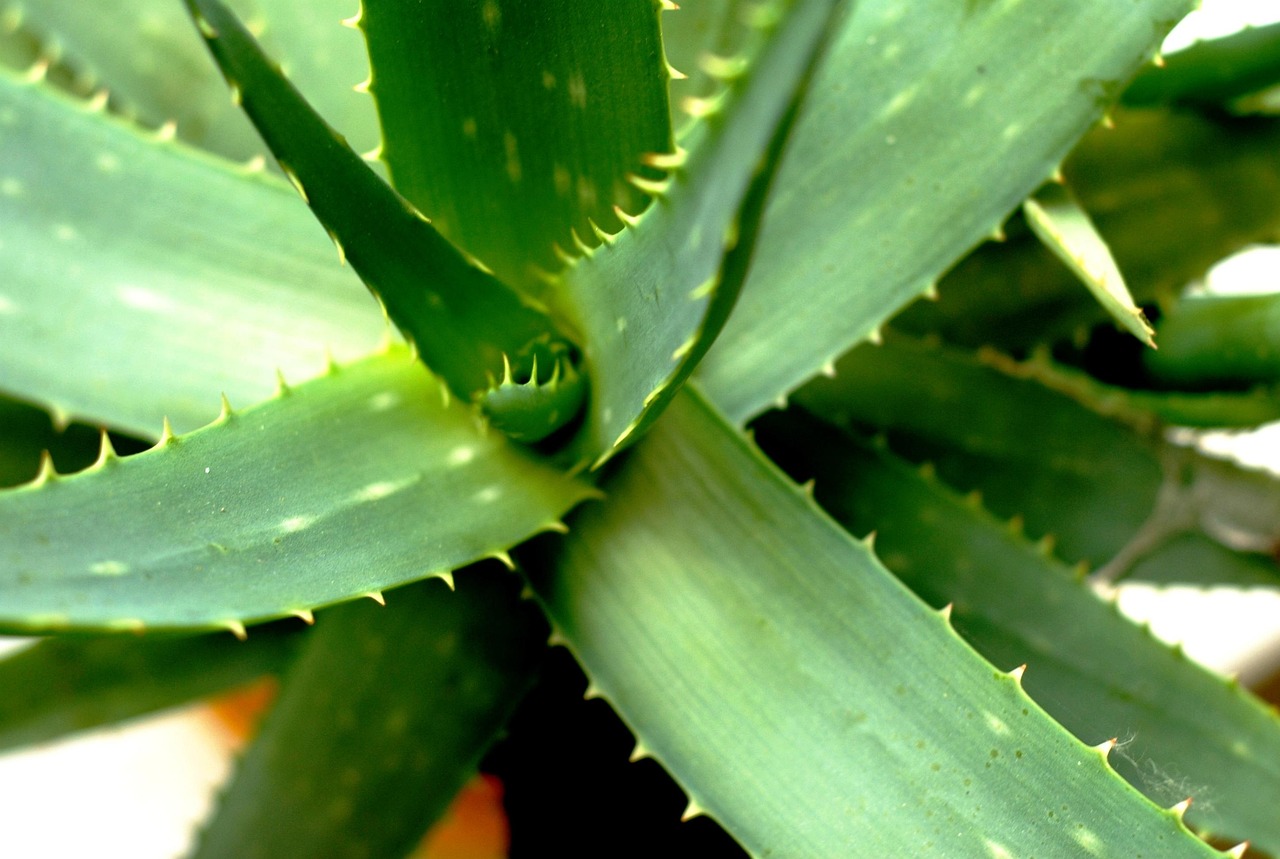
Aloe vera is a large, succulent perennial plant with a strong fibrous root system and a central stem supporting a dense rosette of thick, fleshy leaves. The leaves are lanceolate — long, narrow, and tapering to a point — green on both surfaces, and lined along the margins with small, sharp spiny teeth. Mature leaves typically grow between one and two feet in length and are filled with the clear, gel-like mucilage that gives the plant its remarkable medicinal properties.
When the plant flowers, it sends up a tall stalk reaching up to four and a half feet high, topped with a long raceme of drooping, tubular flowers that range in color from bright yellow to purplish. The fruit that follows is a triangular capsule containing numerous small seeds.
The plant’s succulent nature — its ability to store large volumes of water and active compounds within its leaves — is precisely what makes it so potent as a medicinal herb. It evolved to survive prolonged drought conditions, concentrating nutrients and protective phytochemicals within its tissues in remarkably high quantities.
A Note on Species
There are over 200 known species of aloe, but only three or four are considered medicinally significant. Of these, Aloe barbadensis — commonly called aloe vera — is the most potent and the most thoroughly studied. When purchasing aloe vera products or growing the plant for home use, ensure you are working with this species specifically.
Cultivation
Aloe vera is one of the most forgiving plants to grow at home. It thrives in sandy, well-draining soil and does not tolerate standing water or overly moist conditions around its roots. Potted plants grow well in filtered sunlight or partial shade — direct harsh sun can bleach and damage the leaves in some climates, though the plant tolerates full sun in its native habitat.
It requires very little watering, especially in winter when the plant’s growth slows. The most common cause of death in home-grown aloe plants is overwatering. When in doubt, water less.
Propagation is easy — the plant produces small offshoots (called “pups”) around its base that can be separated and potted independently once they have developed their own root system.
History and Traditional Use
The name “aloe” is believed to derive from the Arabic word alloeh, meaning “bitter and shiny” — a reference to the bitter yellow latex found just beneath the outer leaf skin, which is quite distinct from the clear, neutral inner gel.
The plant’s documented history in medicine stretches back approximately 6,000 years, making it one of the longest-used medicinal plants in recorded human history. The ancient Egyptians recorded its use for treating burns, infections, and parasites as early as 1500 BC, and the plant held a place of such high regard that the queens Cleopatra and Nefertiti reportedly attributed their famous skin to regular use of aloe vera as a beauty treatment.
Alexander the Great, according to historical accounts, was advised by Aristotle to conquer the island of Socotra specifically to secure its aloe supply for treating the wounds of his soldiers in battle. Ancient Greek physicians integrated aloe into their formal medical texts. Arab traders carried it along their routes across continents. Spanish missionaries brought it to the Americas, where it quickly became integrated into traditional healing practices across the Caribbean and Central and South America.
African hunters have long used the gel applied to the body to reduce perspiration and minimize their scent — a practical application that speaks to aloe’s skin-normalizing and mild astringent properties.
Throughout all of this history, across widely separated cultures and healing traditions, the same plant earned the same reputation: trustworthy, versatile, gentle, and effective.
Active Constituents
Aloe vera’s remarkable therapeutic range comes from a dense and complex array of biologically active compounds. Understanding these constituents helps explain why the plant does what it does.
In the outer leaf latex (the bitter yellow layer beneath the skin): The latex contains hydroxyanthracene derivatives of the anthrone type, principally barbaloin (also called aloin), along with 7-hydroxyaloin isomers, aloe-emodin, chrysophanol and their glycosides, and chromone derivatives including aloesin and its related compounds aloeresins A and C, and the aglycone aloesone. These compounds are primarily responsible for aloe’s well-known laxative and purgative activity. They are powerful and must be used with caution and in an appropriate dosage.
In the inner leaf gel (the clear, colorless mucilage): The inner gel contains a different and more gentle profile of compounds: glucomannan (a soothing polysaccharide), sterols, organic acids, enzymes, natural antibiotic compounds, amino acids (including seven of the eight essential amino acids), saponins, and a rich range of minerals. This is the part used topically for skin care and wound healing, and in diluted juice form for digestive support.
Additional key active compounds across the whole plant: Aloe vera contains at least three identified anti-inflammatory fatty acids. It contains lignin, which gives the gel its exceptional ability to penetrate deeply into skin layers rather than simply coating the surface. It contains mucopolysaccharides that modulate immune function and support the body’s detoxification processes. It contains anthraquinones, including aloin and emodin, which act as natural analgesics and antimicrobial agents.
Together, this is one of the most nutritionally and pharmacologically dense profiles of any single plant — which explains why it has been studied so extensively and used so persistently across so many cultures and centuries.
Medicinal Properties
Aloe vera demonstrates the following well-documented medicinal actions:
Anti-inflammatory — reduces swelling, redness, and the underlying inflammatory cascade in both topical and internal applications
Analgesic — the anthraquinone compounds, particularly aloin and emodin, provide meaningful pain relief when applied to burns, wounds, and irritated skin
Antiseptic — saponins and other compounds exert broad antimicrobial activity against bacteria, viruses, fungi, and yeasts including Candida species
Emollient — softens, smooths, and conditions skin and mucous membranes
Vulnerary — actively supports wound healing and tissue repair
Emmenagogue — stimulates uterine contractions (important safety consideration — see Cautions below)
Purgative — the latex fraction acts as a powerful stimulant laxative
Immune modulating — the mucopolysaccharides support healthy immune function
Primary Uses
Burns, Scalds, and Sunburn This is aloe vera’s most universally known application and one of its most thoroughly validated. The gel, applied directly from a broken leaf or from a pure preparation, reduces pain almost immediately upon contact, cools the tissue, reduces blister formation, decreases inflammation, and actively accelerates the healing process. It works through multiple simultaneous mechanisms — analgesic, anti-inflammatory, antimicrobial, and wound-healing — that together make it one of the most effective first-response treatments for minor burns available from any source, natural or synthetic.
Keeping a growing aloe vera plant in the kitchen is one of the most practical natural health decisions you can make. A broken leaf provides fresh gel within seconds — faster than any product stored in a cabinet.
Wound Healing and Skin Repair Aloe vera increases the availability of oxygen to skin tissue and enhances both the synthesis and strength of new tissue, directly supporting the repair of wounds, abrasions, and damaged skin. Its penetrating ability — due to its lignin content — means it works at a deeper level than most topical preparations, reaching the dermis rather than just conditioning the surface.
Acne and Inflammatory Skin Conditions The combination of antimicrobial saponins, anti-inflammatory compounds, and soothing mucopolysaccharides makes aloe vera genuinely useful in managing acne, eczema, psoriasis, and other inflammatory skin conditions. It reduces redness and swelling, suppresses the bacterial activity that drives acne, and supports healthy skin barrier function without clogging pores.
Insect Bites and Allergic Skin Reactions Applied topically, fresh aloe gel rapidly relieves itching, reduces local inflammation, and cools irritated skin from insect bites, stings, hives, and mild allergic reactions.
General Skin Conditioning and Anti-Aging Used consistently as part of a skin care routine, aloe vera helps maintain supple, well-hydrated skin. Its polysaccharides act as natural humectants, drawing moisture into the skin and holding it. Its vitamin content — including vitamins A, C, and E — supports collagen synthesis and protects against oxidative damage that accelerates skin aging.
Digestive Support Aloe vera contains at least three anti-inflammatory fatty acids that have a soothing, balancing effect on the stomach lining, small intestine, and colon. It naturally alkalizes digestive secretions, which helps counteract the excess acidity that underlies many cases of indigestion, reflux, and gastric discomfort. It also helps cleanse and tonify the digestive tract when used in appropriate doses and preparations.
When taking aloe internally for digestive support, it is advisable to combine it with antispasmodic or carminative herbs such as calamus or angelica to counteract any potential griping effect from the anthraquinone compounds.
Preparations and Dosage
Fresh Gel — Topical (Burns, Wounds, Insect Bites) Simply break or cut a mature leaf from the plant and apply the clear gel that flows from the cut directly to the affected area. This is the simplest and most immediate preparation and fully retains all active compounds. Reapply as needed.
Homemade Salve Remove and discard the thin outer green skin of a mature leaf. Process the inner gel in a blender until smooth. Add 500 units of vitamin C powder per cup of gel — this acts as a natural preservative and antioxidant that extends shelf life. Store in a sealed glass container in the refrigerator and use within 1–2 weeks.
Tincture Prepared at a 1:10 ratio in 50% alcohol. Standard dosage is 15 to 60 drops, taken according to the advice of a qualified herbalist. The tincture captures a broader spectrum of the plant’s active compounds than fresh gel alone.
Aloe Vera Juice (Internal Use) For internal digestive applications, most experienced herbalists recommend aloe vera juice containing the equivalent of 360–900 mg of dried sap per day. Look for products that specify the aloin (anthraquinone) content — inner-fillet-only products with no added aloin are generally better tolerated for regular internal use.
Important Cautions
Aloe vera is a powerful plant and must be used with appropriate awareness of its limitations and contraindications.
Pregnancy: Because aloe vera has documented emmenagogue activity — it stimulates uterine contractions — internal use should be avoided entirely during pregnancy. Topical use on intact skin is generally considered safe, but internal preparations should not be used.
Breastfeeding: Aloe’s active compounds are excreted in breast milk and can have a purgative effect on nursing infants. Internal use should be avoided during lactation.
Duration of Internal Use: Aloe should not be taken internally for more than 8–10 consecutive days without the guidance of a qualified practitioner. Extended use of preparations containing the latex fraction can cause electrolyte imbalances, dependency of bowel function on stimulant laxatives, and other complications.
Overdose Risk: Excessive internal dosage can cause gastritis, diarrhea, abdominal cramping, and in severe cases nephritis (kidney inflammation). Always follow recommended dosages.
Medication Interactions: Aloe vera juice can potentially interact with certain medications, including diuretics, diabetes medications, and cardiac glycosides. If you are taking any prescription medications, consult your healthcare provider before beginning internal aloe use.
Topical Allergy: Although rare, some individuals are sensitive to aloe vera applied topically. Always perform a small patch test on the inner arm before applying to larger areas, particularly on compromised or broken skin.
Growing Your Own: The Kitchen Aloe
One of the most practical recommendations in natural home health is to keep a mature aloe vera plant in the kitchen. It requires almost no maintenance, thrives in a small pot on a windowsill, and provides an immediate, always-fresh source of the most effective natural burn and wound treatment available — requiring nothing more than breaking off a leaf.
For anyone who cooks regularly, this single habit can prevent significant discomfort from the minor burns and scalds that are an inevitable part of kitchen life.
Final Thoughts
Aloe vera has earned its 6,000-year reputation honestly. It is not a marketing trend or a wellness fad — it is one of the most thoroughly documented, most broadly active, and most safely used medicinal plants in the entire herbal pharmacopoeia. From Cleopatra’s beauty rituals to modern clinical wound-care applications, it has demonstrated consistent, meaningful benefit across an extraordinary range of uses.
Used wisely, with attention to its cautions and appropriate dosage guidelines, aloe vera is one of the most valuable natural health tools available — and one of the easiest to keep right at hand.
This article is for educational and informational purposes only. It does not constitute medical advice. Always consult a qualified healthcare provider or herbalist before using any herbal preparation for the treatment of a medical condition, especially during pregnancy, breastfeeding, or while taking prescription medications.