Sciatica is a common cause of lower back and leg pain, affecting millions of people each year. The main cause of sciatica is when the sciatic nerve becomes compressed, irritated, or inflamed. This nerve runs from the lower spine through the hips and buttocks and down each leg, making it the longest and widest nerve in the human body.
Because of its length and function, any disruption along this pathway can result in pain that radiates throughout the lower body, significantly impacting mobility and quality of life.
What Is Sciatica?
Sciatica is not a disease but a collection of symptoms caused by underlying issues affecting the nerve roots in the lower spine. These symptoms typically include:
Sharp or burning pain radiating from the lower back down the leg
Numbness or tingling sensations
Muscle weakness in the affected leg
Difficulty standing, walking, or sitting for long periods
The severity can vary from mild discomfort to intense, debilitating pain that interferes with everyday activities.
Common Causes of Sciatica
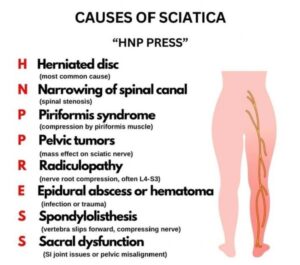
Sciatica most often develops due to pressure on one or more nerve roots in the lumbar spine. The most common causes include:
Herniated or bulging discs
Spinal stenosis (narrowing of the spinal canal)
Degenerative disc disease
Piriformis syndrome
Spondylolisthesis (vertebral slippage)
According to research published by the National Institutes of Health, lumbar disc herniation is one of the leading causes of sciatic nerve compression, particularly in adults aged 30–50.
Who Is at Risk?
Sciatica most commonly affects individuals between the ages of 30 and 50 due to natural wear and tear on the spine. Additional risk factors include:
Sedentary lifestyle
Poor posture
Obesity
Occupations involving heavy lifting
Prolonged sitting
A review in the journal Spine highlights that lifestyle-related factors, particularly inactivity and poor ergonomics, significantly increase the likelihood of developing chronic lower back pain and sciatica.
Diagnosis and Medical Evaluation
A proper diagnosis is essential to determine the underlying cause of sciatica. Healthcare providers typically perform:
Physical examination of the spine and lower extremities
Neurological tests to assess reflexes and muscle strength
Movement-based assessments to identify nerve involvement
If symptoms persist beyond six weeks or worsen, imaging tests such as MRI or CT scans may be recommended. Studies show that MRI is the most effective tool for identifying nerve compression and disc abnormalities.
Evidence-Based Treatment Options
1. Conservative (First-Line) Treatments
Most cases of sciatica improve with non-invasive care. According to guidelines from the American College of Physicians, first-line treatments include:
Physical therapy
Nonsteroidal anti-inflammatory drugs (NSAIDs)
Activity modification (not prolonged bed rest)
A systematic review published in Annals of Internal Medicine found that staying active leads to faster recovery compared to extended inactivity.
2. Heat and Cold Therapy
Alternating between cold and heat therapy can reduce inflammation and muscle tension. Research suggests that localized cold application helps reduce acute inflammation, while heat promotes blood flow and muscle relaxation.
3. Exercise and Rehabilitation
Exercise plays a critical role in both short-term relief and long-term prevention. Movement helps:
Reduce nerve compression
Improve flexibility
Strengthen core and back muscles
A study indexed on PubMed found that structured exercise programs significantly reduce pain intensity and improve functional outcomes in patients with chronic low back pain and sciatica.
Aquatic Therapy for Sciatica
One of the most effective low-impact exercise approaches is aquatic therapy. Exercising in water reduces gravitational stress on the spine while allowing safe movement.
Benefits of Aquatic Exercise
Decreases pressure on spinal discs
Improves circulation
Enhances flexibility and mobility
Reduces pain during movement
A clinical study available through the National Library of Medicine reported that water-based therapy improves pain scores and functional mobility in individuals with chronic lower back pain.
Recommended Aquatic Exercises
Water walking (forward, backward, sideways)
Knee-to-chest stretches
Gentle leg lifts and kicks
Deep-water cycling
Core stabilization movements
Performing these exercises 2–3 times per week can significantly improve symptoms over time.
Alternative and Complementary Therapies
In addition to conventional care, many individuals explore complementary therapies such as:
Chiropractic adjustments
Acupuncture
Massage therapy
Stretching and mobility programs
Some patients also consider Homeopathy and herbal remedies. While these approaches may support overall wellness, evidence for their effectiveness in treating sciatica specifically remains limited and should be used alongside—not instead of—evidence-based medical care.
When to Seek Medical Attention
Immediate medical care is necessary if sciatica symptoms include:
Loss of bladder or bowel control
Severe or worsening weakness
Persistent pain lasting more than 6–8 weeks
These may indicate serious conditions requiring urgent evaluation.
Final Thoughts
Sciatica can be painful and disruptive, but in most cases, it is temporary and treatable. With proper diagnosis, consistent movement, and evidence-based therapies, most individuals experience significant improvement within a few weeks.
Combining conservative treatments, targeted exercises, and supportive therapies—such as aquatic rehabilitation—can accelerate recovery and help prevent recurrence.
Related Articles
- Sciatica and Piriformis Muscle Syndrome
- How to Fight Inflammation and Pain Naturally
- Aromatherapy Remedies for Pain
- Tips About Exercises For Lower Back Pain
- Preventing And Treating Pinched Nerve Or Sciatica
- Turmeric for sciatica as one herbal treatment
- SciatiGon for Sciatica; Neuralgia and Nerve Inflammation
- Choosing the best chair for sciatica
- Procedures for diagnosing sciatica
- What is pseudo sciatica?
- Aquatic exercises for sciatica: getting relief the easier way
- Sciatica and Chiropractic
- What can I do to relieve sciatica pain?
- Acupressure for sciatica – Similar to acupuncture in many cases
- Herbal treatment for sciatica
- Common causes of sciatica