
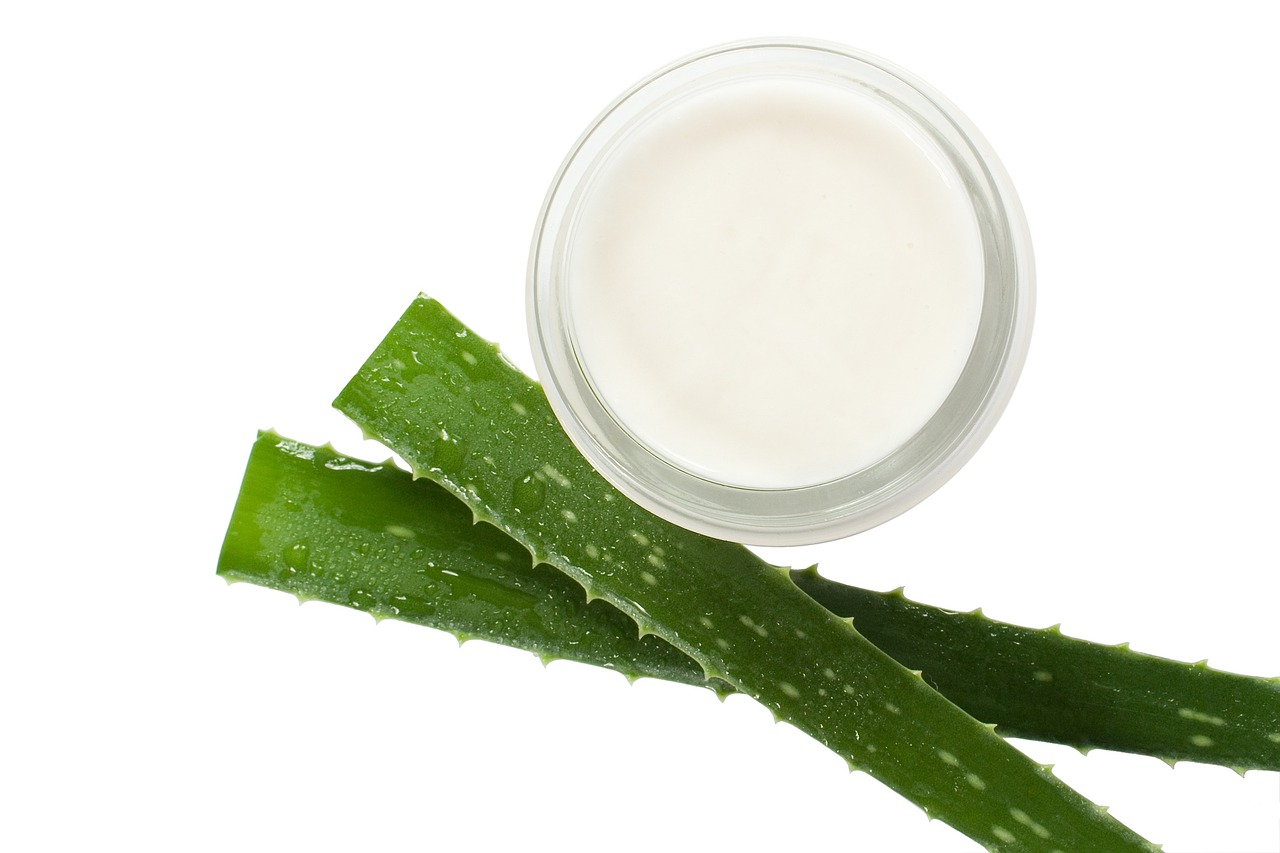
DIY Apricot and Aloe Eye Cream Recipe — Natural, Nourishing, and Easy to Make The skin around your eyes is the thinnest and most delicate on your entire face. It has fewer oil glands than the rest of your skin, loses moisture faster, and is the first place to show the signs of aging — fine lines, crow’s feet, puffiness, and that tired, crinkled look that no amount of sleep seems to fix.
Most commercial eye creams are loaded with synthetic preservatives, fragrances, and fillers that can actually irritate this sensitive area. This simple, all-natural DIY eye cream uses just five wholesome ingredients — each chosen for specific skin-nourishing properties — to deliver real, visible results without the chemicals.
Used consistently each night, this rich, lightweight cream helps soften fine lines, deeply hydrate the under-eye area, and support the skin’s natural repair process while you sleep.
Yield: Approximately 2 ounces
Why These Five Ingredients Work
Before diving into the recipe, it helps to understand why each ingredient earns its place.
Apricot Kernel Oil Cold-pressed from the seeds of apricots, this lightweight carrier oil is exceptionally rich in oleic and linoleic fatty acids — the building blocks of healthy skin cell membranes. It absorbs quickly without feeling greasy, making it ideal for the delicate eye area. It softens and smooths fine lines, improves skin elasticity, and is gentle enough for even sensitive or mature skin. Its small molecular structure allows it to penetrate deeply rather than just sitting on the surface.
Beeswax Beeswax is the structural backbone of this cream — it creates the emulsion that gives the cream its body and texture. Beyond its role as a thickener, beeswax forms a breathable protective barrier on the skin that locks in moisture without clogging pores. It contains natural vitamin A, which supports cell regeneration and skin softening over time.
Aloe Vera Gel Aloe vera is one of nature’s most studied skin healers. It is deeply hydrating, anti-inflammatory, and rich in polysaccharides that plump and firm the skin. For the eye area specifically, aloe helps reduce puffiness, calm irritation, and improve skin texture. Its high water content also makes it a natural humectant — drawing moisture into the skin and holding it there.
Grapefruit Seed Extract This ingredient serves double duty. First, it acts as a natural preservative, extending the shelf life of your homemade cream without synthetic chemicals. Second, grapefruit seed extract has mild antioxidant and antimicrobial properties that help protect the skin from environmental damage and keep your product free from contamination. Just 3 drops is all you need.
Vitamin E (from a capsule) Vitamin E is one of the most powerful antioxidants available for skin care. It neutralizes free radicals — the unstable molecules that accelerate skin aging and break down collagen. Applied nightly, vitamin E helps repair existing skin damage, prevent new fine lines from forming, and keep the under-eye skin supple and resilient. It also acts as a natural preservative in the formula.
What You Will Need for Apricot and Aloe Eye Cream Recipe
Equipment:
- Small double boiler (or a heat-safe bowl set over a saucepan of simmering water)
- Wooden spoon or small silicone spatula
- Small glass jar with a tight-fitting lid (2 oz / 60ml)
- Measuring spoons
Ingredients:
- 1 teaspoon apricot kernel oil
- 1 teaspoon grated beeswax (or beeswax pellets)
- ½ teaspoon pure aloe vera gel
- 3 drops grapefruit seed extract
- 1 vitamin E capsule
How to Make It
Step 1 — Melt the Base Combine the apricot kernel oil and grated beeswax in the top of your double boiler. Heat gently over simmering water, stirring occasionally, until the beeswax has completely melted into the oil. This should take just a few minutes. Keep the heat low — you are melting, not boiling.
Step 2 — Add the Aloe Once the wax is fully melted, remove the mixture from the heat. Using your wooden spoon, beat in the aloe vera gel immediately. Stir vigorously to combine — the aloe will emulsify into the oil-wax base, creating a creamy consistency. Work quickly, as the mixture will begin to thicken as it cools.
Step 3 — Add the Active Ingredients Allow the mixture to cool for a minute or two — it should be warm but no longer hot. Add the 3 drops of grapefruit seed extract. Pierce the vitamin E capsule, squeeze out its contents, and add to the mixture. Stir well to incorporate everything evenly.
Step 4 — Pour and Set Pour the warm cream into your glass jar. Allow it to cool completely at room temperature before sealing with the lid. The cream will firm up as it cools into a smooth, rich texture.
How to Use It
Apply a very small amount — a pea-sized drop is all you need — to the under-eye area and the outer corners of the eyes (where crow’s feet form) each night before bed. Use your ring finger to gently pat the cream in using light tapping motions. Never drag or rub the skin around the eyes.
Allow the cream to absorb for a few minutes before lying down. For best results, use nightly and consistently — natural skin care works gradually and cumulatively.
Storage and Shelf Life
Store the jar at room temperature away from direct sunlight. The grapefruit seed extract and vitamin E act as natural preservatives, giving this cream a shelf life of approximately 4–6 weeks at room temperature, or up to 3 months if refrigerated.
If the cream develops an unusual smell, changes color, or the texture becomes grainy or separated, discard and make a fresh batch.
Tips and Variations
- For extra firming action, add 2 drops of frankincense essential oil — one of the best essential oils for skin tightening and reducing the appearance of fine lines. Always test for sensitivity first.
- For puffiness and dark circles, add 1 drop of chamomile essential oil (Roman or German) — both are deeply anti-inflammatory and excellent for the eye area.
- For a lighter texture, reduce the beeswax by half for a softer, more serum-like consistency.
- For dry or mature skin, replace half the apricot kernel oil with rosehip seed oil — exceptionally rich in vitamin A and omega fatty acids for deep skin regeneration.
- Always do a patch test on your inner arm before applying any new product near the eyes, even a natural one.
A Note on Natural Skin Care
Commercial skin care products, however expensive, are often formulated with synthetic stabilizers, artificial fragrances, and petroleum-derived ingredients that can do more harm than good over time — especially around the sensitive eye area.
Making your own skin care at home puts you in complete control of every ingredient. You know exactly what you are putting on your skin, you avoid unnecessary chemicals, and you get the full potency of each natural ingredient without fillers or dilution.
This apricot and aloe eye cream is one of the simplest and most effective DIY skin care recipes you can make — and once you experience the difference, it is hard to go back to a jar from the store.
This recipe is for topical use only. Avoid direct contact with eyes. Perform a patch test before first use. If irritation occurs, discontinue use. This post is for informational purposes only and does not constitute medical advice.