
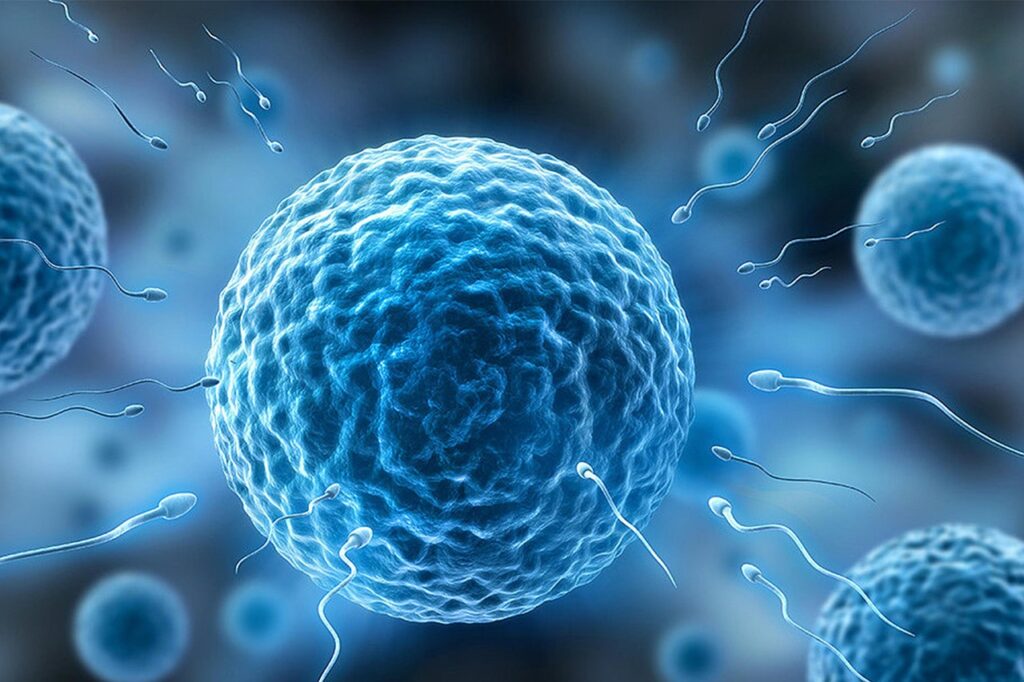
 One of the most natural and secure forms of treatment for male infertility is homeopathy, which acts extremely quickly. Homoeopathy for male Infertility is tested and proven in thousands of infertile individuals, showing an 85% success rate. In addition to being useful in augmenting sperm count, homoeopathic medicine also aids in boosting sperm motility and volume; abnormal sperm morphology can be rectified with homoeopathic treatment. There are no hormones in homeopathic medicine. After completing homeopathy treatment, medication is not needed for at least 7 to 8 years. The minimum duration of homeopathy treatment is 3-4 months with a minimum sperm count of 1 million. Hormone imbalances, varicocele, and other associated urological problems are also treated by homeopathy. It not only helps in returning sperm counts to normal in males with small testes but also in males with a single testis
- OLIGOSPERMIA HOMEOPATHY TREATMENT
- AZOSPERMAIA HOMEOPATHY TREATMENT
- DIAGNOSIS OF CAUSE OF AZOOSPERMIA OR NIL SPERM COUNT
- TREATMENT OF NIL SPERMS
- ABSENT EJACULATION
- HOMEOPATHY DOSAGE DIRECTIONS
Oligospermia and Oligospermia Asthenia are two conditions where the allopathic system has no effective treatment. So my team stressed the need to look into alternative systems. After working through various modalities, homeopathy has the best solution. Let us see the important points about it. Before starting this treatment semen test is essential at your nearest pathology lab, and you must stop any hormonal treatment at least one month before starting homeopathy. Medicine increases Sperm Count, Sperm Motility, Semen Quantity, and corrects Sperm Abnormalities.
Advantage of treatment
- The treatment is completely free of any side effects.
- Medicine is effective in 95% in sperm abnormalities, i.e., Low Sperm count, low motility, low semen quantity, and Abnormal Sperm Cell Morphology.
- It is the fastest among all treatments. It raises sperm count fourfold with every month’s treatment till optimum count. So, with a low sperm count of 3 million per ml. to normal count of 40 million per ml. can be achieved within two months of treatment.
- The lowest count which can be helped is 1 lac per ml or 0.1 million per ml. Below, the result may be variable.
- It does not support azoospermia or zero count at all.
- It improves not only sperm count but also its quality. It raises low sperm motility to high sperm motility. It also improves the grades of sperm motility simultaneously.
- The success rate of the system is very high. In about 3000 patients, it succeeded in 95% of the patients.
- The greatest advantage is that even after stopping the treatment, the higher count remains longer, whereas in male hormones, it falls as soon as the treatment is stopped.
- It is quite comfortable to take it, as it has sweet pills and drops only, to take with a few doses per day. So, this treatment being simpler avoids complicated procedures in case of male infertility.
TYPE OF SPERM
Male factor infertility may result from low sperm count or low sperm motility, or decreased ability of the sperm to fertilize the egg, or abnormal shape of sperm, or lack of semen, or inability of the man to deposit the sperm into the vagina due to erectile dysfunction or hypospadias. The leading cause of male infertility is low sperm count. Others may have low sperm motility, bad quality sperm, lack of semen, presence of pus cells in semen & inability to deposit semen into the vagina, either due to absent ejaculation or due to any sexual dysfunction such as erectile dysfunction. In general, most cases of male infertility are due to low sperm count. Many biological and environmental factors can lead to low sperm count. Here is a list of conditions that may cause low sperm count in men. Please click the links for detailed information about causes, investigations & treatment options.
- Oligospermia | Low Sperm Count
- Azospermia | Nil Sperms | Low Sperm Motility
- Pus in Semen
- Anti-Sperm Antibody
- Less Semen Formation
- Absent Ejaculation
- Dead Sperms
- Abnormal Sperms
- Immotile Sperms
OLIGOSPERMIA HOMEOPATHY TREATMENT
Oligospermia and Oligosperma esthenia are two conditions where the allopathic system has no effective treatment. So my team stressed the need to look into alternative systems. After working through various modalities, the Specialist Doctor at Amish Hospital came up with the best solution. Let us see the important points about it. Before starting this treatment semen test is essential at your nearest pathology lab, and you must stop any hormonal treatment at least one month before starting our treatment. Medicine increases Sperm Count, Sperm Motility, Semen Quantity, and corrects Sperm Abnormalities.
Advantage of treatment
- The treatment is completely free of any side effects. Medicine is effective in 95% in sperm abnormalities, i.e., Low Sperm count, low motility, low semen quantity, and Abnormal Sperm Cell Morphology.
- It is the fastest among all treatments. It raises sperm count fourfold with every month’s treatment till optimum count. So, with a low sperm count of 3 million per ml. to normal count of 40 million per ml. can be achieved within two months of treatment.
- The lowest count which can be helped is 1 lac per ml or 0.1 million per ml. Below, the result may be variable.
- It does not support azoospermia or zero count at all. It improves not only sperm count but also its quality. It raises low sperm motility to high sperm motility. It also improves the grades of sperm motility simultaneously.
- The success rate of the system is very high. In about 3000 patients, it succeeded in 95% of the patients. The Medicine provide by us is free from hormones.
- The duration of the treatment is very short. It clears the case in one to four months. It has no restrictions during the treatment. No food restrictions. The only restriction is to avoid taking male hormones, as male hormone testosterone can block the good effect of this treatment. So, the patient should avoid taking any male hormones for at least one month before taking this treatment.
- The greatest advantage is that even after stopping the treatment, the higher count remains longer, whereas in male hormones, it falls as soon as the treatment is stopped.
- It is quite comfortable to take it, as it has sweet pills and drops only, to take with a few doses per day. So, this treatment being simpler avoids complicated procedures in case of male infertility.
Common Causes of Oligospermia:
- Stress:– reduces sperm count
- Tobacco: Nicotine damages sperms
- Lead:– Workers in the printing press have low sperm count
- Hot climates
- Varicocele
- Avoidance of saunas, hot baths, the wearing of tight underwear, and other situations in which scrotal temperature may be raised
- Alcohol:– Alcohol damages sperms
A recent survey has shown a trend in declining sperm count in recent times. There may be many causative factors.
Sperm Volume
A very low volume i.e., less than 0.5 ml, may indicate a problem in producing the specimen (including missing the container), a dysfunction with the accessory glands or retrograde ejaculation. High semen volume but low sperm numbers no need of semen concentration our medicine will take care of this problem.
Abnormal pH
An abnormally low pH i.e. less than 7.0 may indicate retrograde ejaculation when combined with a very low ejaculate volume. A pH of below 7.0, normal volume and azoospermia may indicate an obstruction of the ejaculatory ducts or congenital bilateral absence of the vas in this case result is poor.
An abnormally high pH i.e. greater than 8.5 may indicate an infection or dysfunction of one of the accessory glands result is good.
Abnormal Sperm Density
A sperm count below 20 x 10^6 / ml should be considered clinically relevant; a count of around 5 x 10^6 / ml count will increase with treatment.
Reduced sperm count is generally idiopathic. However, it may be due to defective spermatogenesis or an incomplete obstruction.
Abnormal Sperm Motility
If less than 50% of the sperm are moving progressively (asthenozoospermia) a problem with motility or an increased level of sperm degradation may be indicated.
Decreased motility may be secondary to sperm dysfunction, prolonged periods of sexual abstinence, partial blockage or infection.
If greater than 50% of sperm are immotile, then the analysis will determine whether the sperm are immotile or dead. This will determine whether the sperm immotility is due to cell death or a motility defect.
Increased cell death may be treatable if the cause is identifiable e.g. partial blockage, increased abstinence periods, or infection. Immotile sperm can be used for assisted conception purposes as long as they are alive. All the above condition our medicine works, and the results are excellent.
Abnormal Sperm Morphology
Human sperm show a large variation in morphology. Studies on sperm obtained from post-coital cervical mucus have helped to define the morphology of an ideal spermatozoon.
Morphological study comprises many factors like spermatogenesis, sperm transport, sperm maturation and ageing, time in seminal plasma, smearing technique, fixation, staining, mounting, and the quality of the microscope used.
Kruger Sperm Morphology
Sperm Surface Antisperm Antibodies
The presence of both IgG and IgA antisperm antibodies is measured on the sperm surface. The results are given in terms of the number of motile sperm affected by antisperm antibodies. Surface antibodies may affect both the movement of the sperm and the ability of the sperm to bind to the oocyte results are clinically significant and positive if more than 50% of sperm are affected by either class of antibody. IgA antibodies are considered of greater clinical significance than IgG. Antisperm antibodies often are, but not always, associated with testicular surgery or trauma.
B. Azoospermia (Nil Sperm):
Azoospermia is called when there is no sperm in semen. This type of semen disorder is found in approximately 3% of infertile men i.e. absent sperm. You should know that the testis has two separate functions.
- Production of normal sperm in semen is needed for pregnancy & normal fertility.
- The other function of the testis is the production of male hormones i.e. testosterone & others.
So in most patients with nil sperms, though semen has absent sperms, still production of male hormones remains normal.
How sperms develop: When a boy becomes 14 years of age, then L.H. & F.S.H. hormone secretion from the pituitary increases. The rise in these hormones leads to the proliferation of sperm forming cells (Germ Cells) in the testis. These germ cells start multiplying under the effect of the above-mentioned pituitary hormones, along with the assistance of other hormones such as testosterone, Growth hormones, Androstenidione, insulin-like growth factor-I, thyroid hormone, paracrine hormone & growth factors. Under the control of the above-mentioned hormones germs cells divide & transformed into primary spermatocytes. Then further maturation of primary spermatocytes to spermatids & then finally into mature spermatozoa (i.e. normal sperms) occurs under the control of the above-mentioned hormones. After few weeks of progressive maturation inside the testis these sperms become normally motile & develop the capacity to fertilize the ovum. This total sperm cycle, from first stage to final stage of normal mature sperms is of three months. Thus to produce normal sperms testis should have normal sperm producing germ cells & normal regulating hormones. Any major hindrance in the development of these spermatozoa will lead to absent sperm production resulting into nil sperm.
Causes of Nil Sperms:
The various causes of nil sperm are as follows :
Hormone disorder: The various endocrine (Hormone) disorder leading to azoospermia are as follows
- Hormone deficiency of pituitary gland as L.H., F.S.H., Prolactin, thyroids hormone, hypothalmic deficiency of GnRH, Pituitary gland failure, Hypopituitarism, Idiopathic hypopituitarism, Kallman syndrome, Isolated hypogonadotropic hypogonadism, Drugs, toxins, Idiopathic hypogonadotropic hypogonadism & due to many more causes.
- Obstruction in the outflow of semen (Sperms) from testis to outside through urethral opening. Many times the production of sperms in testis is absolutely normal but these sperm are unable to come out due to obstruction in the out flow tract leading to absent sperms in the semen. The various causes of obstruction are absent vas deferens, absent seminal vesicle, posttraumatic, post surgical ligation of vas deferens. After some infections, as chlamydial, gonococcal urethritis. It may also be due to post tubercular epididimo-orchitis. The sperm may also not come out of testis if the are imotile due to any of the following causes as imotile cilia syndrome, kartagener syndrome cystic fibrosis & many other rare diseases.
- Absence of germ cells in testis also called sertoli cell only syndrome. In this there are no germs cells i.e. sperm forming cells in the testis. For you knowledge, I wish to inform you that in testis germ cell come to testis from neural cord area of the body during neural cord area of the body during development of fetus. So in some fetuses this migration of sperm cells do not occurs leading to testis only having testosterone forming & sertoli cells. Thus this condition is called sertoli sell only syndrome it is a developmental defect.
- Maturation Arrest (. Spermatid arrest): of primary spermatocytes to secondary spermatocyte, spermatids or to mature spermatozoa. Due to may local, systemic, hormonal growth factor deficiency or due to idiopathic factor. The various paracrine hormones and growth factors are essential for normal development i.e. maturation of one germ cells to multiplication of ultimately production of multiple mature, normal & motile sperms. Many other factor as infection, varicocele, drugs, chemotherapy may also lead to maturation arrest. The other causes may by developmentally defective germs cells & spermatocyte. So that they did not have inherent capacity of developing into a mature & motile sperms.
- Testicular disorders (primary leydig cell dysfunction), Chromosomal (Klinefelter syndrome and variants, XX male gonadal dysgenesis), Defects in androgen biosynthesis, Orchitis (mumps, HIV, other viral, ),Myotonia dystrophica, Toxins (alcohol, opiates, fungicides, insecticides, heavy metals, cotton seed oil), Drugs (cytotoxic drugs, ketoconazole, cimetidine, spironolactone)
- Varicocele (Grade 3 or more severe): A varicocele is a varicose vein in the cord that connects to the testicle. (A varicose vein is one that is abnormally enlarged and twisted.) Varicocele decreases sperm productions by elevating temperature of the testis, may produce higher levels of nitric oxide chemical in the testis which blocks sperm production, varicocele damages sperms directly & lastly varicocele decrease the oxygen supply to testis.
- Drugs (e.g. spironolactone, alcohol, ketoconazole, cyclophosphamide, estrogen administration, sulfasalazine)
- Presence of Antisperm antibody. These Antisperm antibodies bind with sperms & either make them less motile, totally immotile or even dead which is called necrospermia.
- Trauma
- Environmental toxins
- Viral orchits
- Granulomatous disease as tuberculosis, sarcoidosis of the testis
- Defects associated with systemic diseases, Liver diseases, Renal failure, Sickle cell disease, Celiac disease
- Neurological disease as myotonic dystrophy
- Development and structural defects, Germinal cell aplasia, sertoli cell only syndrome, Cypt-orchidism
- Androgen resistance
- Mycoplasma infection
- Cystic fibrosis patients often have missing or obstructed vas deferens (the tubes that carry sperm) and hence a low sperm count.
- Klinefelter syndrome patients carry two X and one Y chromosomes (the norm is one X and one Y), which leads to the destruction of the lining of the sperm forming germ cell in the testis.
- Environmental Assaults: Over exposure to environmental assaults (toxins, chemicals, infections) can cause nil sperm either by direct suppression of sperm production or on the hormone. Some chemicals that affect sperm production men are: Oxygen-Free Radicals, Estrogen emulation pesticidal chemicals (DDT, aldrin, dieldrin, PCPs, dioxins, and furans), plastic softening chemicals like Phthalates, hydrocarbons (ethylbenzene, benzene, toluene, and xylene)
- Exposure to Heavy Metals: Chronic exposure to heavy metals such as lead, cadmium, or arsenic may affect sperm production and may cause nil sperms in otherwise healthy men. Trace amounts of these metals in semen seem to inhibit the function of enzymes contained in the sperms, the membrane that covers the head of the sperm.
- Radiation Treatment: Over-exposure to radiation & xrays affect any rapidly dividing cell, so cells that produce sperm are quite sensitive to radiation damage. Cells exposed to significant levels of radiation may take up to two years to resume normal sperm production, and, in severe circumstances, may never recover.
- Misuse of substances: There are a number of banned substances that can have potentially lethal effects on sperm production. Taking anabolic steroids, for example, to increase performance in sports such as weight lifting, can dramatically alter both the motility and the health of the spermatozoa. Other banned substances, such as cocaine, marijuana and heroin can reduce sperm production & may make a man infertile.
- HGH Deficiency
Diagnosis of Cause of Nil Sperm Count
For correct diagnosis of cause of nil sperm count, we need detail history & physical examinations then certain relevant investigations are required.
History & Physical Examinations: First step in proper treatment is accurate diagnosis of cause of nil sperm count.
Investigation & Diagnosis:
For completes diagnosis of causes of azoospermia (nil sperms) one or more of the following tests may be required as:
- Complete male hormone profile: This profile includes all the male hormone tests which affect testicular development, growth & other genital organ development as well as genital functions. L.H., F.S.H., Testosterone, prolactins, thyroids test.
- Antisperm antibody
- USG or Doppler study of scrotum & testis
- Semen culture sensitivity
- Semen fructose
- Fine Needle Testicular Biopsy of the testis to look for evidence of spermatogenesis & testicular structure.
- Human Sperm-Zona Pellucida Binding Ratio
- Human Sperm-Zona Pellucida Pentration test
- Genetic Studies
- FNAC Testis
- Egg penetration test
- Molecular genetic studies done in some special cases
- Chromosome analysis i.e. Karyotype (chromosome analysis)
- Assessment of androgen receptor
- Combined Pituitary hormone tests is performed when needed
- Immunobead test
- MRI head, Hemogram, test for systemic diseases.
- A factory test is done to find out Kallman’s syndrome
Semen Analysis
The basic test to evaluate a man’s fertility is a semen analysis. To perform this test, a man collects a sample of his semen in a collection jar during masturbation either at home or at the laboratory. A man should abstain from ejaculation for four days before the test, because each ejaculation can reduce the number of sperm. A semen analysis should be repeated at least three times over several months. The analysis reports on any abnormalities in sperm count, motility, and morphology, as well as any problems in the semen.
Laboratory test:
Sperm Count
A low sperm count should not be viewed as a definitive diagnosis of infertility but rather as an indicator of a fertility problem. Counts of less than 20 million per milliliter are currently considered strong indicators of infertility, although pregnancy is sometimes possible even with such low counts.
Sperm Motility
Motility is the speed and quality of movement. It is graded on a 1 to 4 ranking system.
- Grade 1 sperm wriggles sluggishly and makes little forward progress.
- Grade 2 sperm move forward, but are either very slow or do not move in a straight line.
- Grade 3 sperm move in a straight line at a reasonable speed and can home on an egg accurately.
- Grade 4 sperm is as accurate as Grade 3 sperm, but moves at terrific speed. Sperm that clump together may indicate that antibodies to the sperm are present.
Sperm Morphology
Morphology is the structure of the sperm. About 60% of the sperm should be normal in size and shape for adequate fertility. Determining the morphology of the sperm is particularly important for the success of the fertility treatment.
Seminalfluid
The semen itself is analyzed for abnormalities. Most men ejaculate 2.5 to 5 cc of semen. Amounts of 2.5 cc may indicate of prostate problems or frequent intercourse. Normal semen is liquefied within 20 minutes by certain enzymes. If it remains sticky, fertility may be impaired. An absence of fructose indicates that an obstruction has occurred either in the vas deferrers or in the epididymis, since fructose is added to the semen in the epididymis. Conversely, if there is fructose in the semen but no sperm, then the channel from the epididymis is open but there is a defect in sperm production. Thus infection may be detected.
AZOOSPERMIA HOMEOPATHY TREATMENT
 Azoospermia is called when there is no sperm in semen. This type of semen disorder is found in approximately 3% of infertile men i.e. absent sperm. You should know that testis has two separate functions.
- Production of normal sperms in semen which needed for pregnancy & normal fertility.
- The other function of testis is production of male hormones i.e. testosterone & others. So in most patients with nil sperms though semen has absent sperms still production of male hormones remains normal.
How sperms develop: When boy becomes of 14 years of age then L.H. & F.S.H. hormone secretion from pituitary increases. The rise in these hormones leads to proliferation of sperm forming cells (Germ Cells) in the testis. These germ cells start multiplying under the effect of above-mentioned pituitary hormones along with assistance of other hormones as testosterones, Growth hormones, Androstenidione, insulin like growth factor-I, Thyroids hormone, paracrine hormone & growth factors. Under the control of above-mentioned hormones germs cells divide & transformed into primary spermatocytes. Then further maturation of primary spermatocytes to spermatids & then finally into mature spermatozoa (i.e. normal sperms) occurs under the control of above-mentioned hormones. After few weeks of progressive maturation inside the testis these sperms become normally motile & develop the capacity to fertilize the ovum. This total sperm cycle, from first stage to final stage of normal mature sperms is of three months. Thus to produce normal sperms testis should have normal sperm producing germ cells & normal regulating hormones. Any major hindrance in the development of these spermatozoa will lead to absent sperm production resulting into nil sperm.
Causes of Azoospermia or Nil Sperms
Hormone disorder : The various endocrine (Hormone) disorder leading to azoospermia are as follows
(1) Hormone deficiency of pituitary gland as L.H., F.S.H., Prolactin, thyroids hormone, hypothalmic deficiency of GnRH, Pituitary gland failure, Hypopituitarism, Idiopathic hypopituitarism, Kallman syndrome, Isolated hypogonadotropic hypogonadism, Drugs, toxins, Idiopathic hypogonadotropic hypogonadism & due to many more causes.
(2) Obstruction in the outflow of semen (Sperms) from testis to outside through urethral opening. Many times the production of sperms in testis is absolutely normal but these sperm are unable to come out due to obstruction in the out flow tract leading to absent sperms in the semen. The various causes of obstruction are absent vas deferens, absent seminal vesicle, posttraumatic, post surgical ligation of vas deferens. After some infections, as chlamydial, gonococcal urethritis. It may also be due to post tubercular epididimo-orchitis. The sperm may also not come out of testis if the are imotile due to any of the following causes as imotile cilia syndrome, kartagener syndrome cystic fibrosis & many other rare diseases.
(3) Absence of germ cells in testis also called sertoli cell only syndrome. In this there are no germs cells i.e. sperm forming cells in the testis. For you knowledge, I wish to inform you that in testis germ cell come to testis from neural cord area of the body during neural cord area of the body during development of fetus. So in some fetuses this migration of sperm cells do not occurs leading to testis only having testosterone forming & sertoli cells. Thus this condition is called sertoli sell only syndrome it is a developmental defect.
(4) Maturation Arrest (. Spermatid arrest): of primary spermatocytes to secondary spermatocyte, spermatids or to mature spermatozoa. Due to may local, systemic, hormonal growth factor deficiency or due to idiopathic factor. The various paracrine hormones and growth factors are essential for normal development i.e. maturation of one germ cells to multiplication of ultimately production of multiple mature, normal & motile sperms. Many other factor as infection, varicocele, drugs, chemotherapy may also lead to maturation arrest. The other causes may by developmentally defective germs cells & spermatocyte. So that they did not have inherent capacity of developing into a mature & motile sperms.
(5) Testicular disorders (primary leydig cell dysfunction), Chromosomal (Klinefelter syndrome and variants, XX male gonadal dysgenesis), Defects in androgen biosynthesis, Orchitis (mumps, HIV, other viral, ),Myotonia dystrophica, Toxins (alcohol, opiates, fungicides, insecticides, heavy metals, cotton seed oil), Drugs (cytotoxic drugs, ketoconazole, cimetidine, spironolactone)
(6) Varicocele (Grade 3 or more severe): A varicocele is a varicose vein in the cord that connects to the testicle. (A varicose vein is one that is abnormally enlarged and twisted.)
(7) Varicocele decreases sperm productions by elevating temperature of the testis, may produce higher levels of nitric oxide chemical in the testis which blocks sperm production, varicocele damages sperms directly & lastly varicocele decrease the oxygen supply to testis.
(8) Presence of Antisperm antibody. These Antisperm antibodies bind with sperms & either make them less motile, totally immotile or even dead which is called necrospermia
(9) Trauma
(10) Environmental toxins
(11) Viral orchits
(12) Granulomatous disease as tuberculosis, sarcoidosis of the testis
(13) Defects associated with systemic diseases, Liver diseases, Renal failure, Sickle cell disease, Celiac disease
(14) Neurological disease as myotonic dystrophy
(15) Development and structural defects, Germinal cell aplasia, sertoli cell only syndrome, Cypt-orchidism
(16) Androgen resistance
(17) Mycoplasma infection
(18) Cystic fibrosis patients often have missing or obstructed vas deferens (the tubes that carry sperm) and hence a low sperm count.
(19) Klinefelter syndrome patients carry two X and one Y chromosomes (the norm is one X and one Y), which leads to the destruction of the lining of the sperm forming germ cell in the testis.
(20) Environmental Assaults: Over exposure to environmental assaults (toxins, chemicals, infections) can cause nil sperm either by direct suppression of sperm production or on the hormone. Some chemicals that affect sperm production men are: Oxygen-Free Radicals, Estrogen emulation pesticidal chemicals (DDT, aldrin, dieldrin, PCPs, dioxins, and furans), plastic softening chemicals like Phthalates, hydrocarbons (ethylbenzene, benzene, toluene, and xylene)
(21) Exposure to Heavy Metals: Chronic exposure to heavy metals such as lead, cadmium, or arsenic may affect sperm production and may cause nil sperms in otherwise healthy men. Trace amounts of these metals in semen seem to inhibit the function of enzymes contained in the sperms, the membrane that covers the head of the sperm.
(22) Radiation Treatment: Over-exposure to radiation & xrays affect any rapidly dividing cell, so cells that produce sperm are quite sensitive to radiation damage. Cells exposed to significant levels of radiation may take up to two years to resume normal sperm production, and, in severe circumstances, may never recover.
(23) Misuse of substances: There are a number of banned substances that can have potentially lethal effects on sperm production. Taking anabolic steroids, for example, to increase performance in sports such as weight lifting, can dramatically alter both the motility and the health of the spermatozoa. Other banned substances, such as cocaine, marijuana and heroin can reduce sperm production & may make a man infertile.
(23) HGH Deficiency
DIAGNOSIS OF CAUSE OF AZOOSPERMIA OR NIL SPERM COUNT
History & Physical Examinations: First step in proper treatment is accurate diagnosis of cause of nil sperm count. So we first try to find out cause. We take detailed history, thorough drug history, and general physical examination, examination of testis, epididymis & testicular veins & sperm carrying duct examinations. These examinations give idea about whether testis is normally developed or not & how is its function. After that depending on likelihood of particular, cause relevant tests are done. All testing facilities are available at our centre. Thus you may consult us at our centre & at same time you may get all tests done. The time taken in getting all the reports ready is 36 hours. So if you are from out of Delhi, you may come here for two days.
Investigation & Diagnosis: For completes diagnosis of causes of azoospermia (nil sperms) one or more of the following tests may be required as:
- Complete male hormone profile: This profile includes all the male hormone tests which affect testicular development, growth & other genital organ development as well as genital functions. L.H., F.S.H., Testosterone, prolactins, thyroids test
- Antisperm antibody
- USG or Doppler study of scrotum & testis
- Semen culture sensitivity
- Semen fructose
- Fine Needle Testicular Biopsy of the testis to look for evidence of spermatogenesis & testicular structure.
- Human Sperm-Zona Pellucida Binding Ratio
- Human Sperm-Zona Pellucida Pentration test
- Genetic Studies
- FNAC Testis
- Egg penetration test
- Molecular genetic studies done in some special cases
- Chromosome analysis i.e. Karyotype (chromosome analysis)
- Assessment of androgen receptor
- Combined Pituitary hormone tests is performed when needed
- Immunobead test
- MRI head, Hemogram, test for systemic diseases.
- Olfactory test is done to find out kallman’s syndrome
At our center facility for all the above tests are available.
TREATMENT OF NIL SPERMS
After the finding out cause of azoospermia treatment is started depending on the cause found.
The various treatments are as follows:
(1) Correction of the Cause: First of all we try to find out the primary cause of nil sperms by above mentioned investigations. Then we correct the basic defect i.e. correction of hormone disorder & other defects. We also give following treatment for permanent cure of low sperm count & motility disorder.
(2) Correction of Hormone deficiencies: Once the hormone disorder is found then it is corrected by any of the below medicines. Usually sperm count normalizes in three month time with proper hormone treatment.
(3) Varicocele ligation: A varicocele is an abnormal tortuosity and dilation of veins of within the scrotum. It can be surgically treated – which might help fertility in some cases.
At our center we have facility for all the testing & treatment facility required for nil sperm count to achieve pregnancy.
ABSENT EJACULATION
Absent Ejaculation Orgasm:Absent ejaculation in which patient does not gets orgasm & semen discharge even after prolong sexual activity.
- Delayed ejaculation: In this disorder orgasm & semen discharge occurs after abnormally prolonged sexual activity.
- Retrograde ejaculation: In which patient gets orgasm at normal time but semen in place of coming out through penile opening goes into bladder.
- Absent Ejaculation or Orgasm: There are certain conditions in which patient does not get orgasm even after prolonged sexual activity. the cause of this can be primary, Psychogenic or due to certain medication, neurological diseases, surgeries etc. Treatment needs diagnosis of cause & then treatment.
Pus in Semen
Pus cells in semen may be due to infection into genito-urinary tract due to any of the following causes:
- Chlamydia infection: Chlamydia is a common infection of genitourinary tract all over world. It’s a bacterial infection. The infection with bacteria decreases sperm count motility & fertilizing capacity of sperms. Complication of this can be epididymitis, and inflammation in the scrotum that may leave the man sterile.
- Gonorrhea (Gonococcal Urethritis): It is caused by the bacterium Nesseria gonorrhoea. Symptoms include pus in semen. The infection with bacteria decreases sperm count motility & fertilizing capacity of sperms. Complication of this can be epididymitis, and inflammation in the scrotum that may leave the man sterile.
- Non-Specific urethritis or NSU (Non-gonococcal Urethritis): It is caused by any of the following causative agent Chlamydia trachomatis, Ureaplasma urelyticum, Mycoplasma genitalium , Candioda species, Anaerobes, Trichomonas vaginalis, Unidentified idiopathic. Some times it may be Persistent/recurrent non-gonococcal urethritis or Prolonged urethritis.
- Candidal Balanitis (Thrush) is a fungal infection.
- Prostatitis( Acute or Chronic)
Diagnostic tests
Urine may show threads or ‘beads of pus’ positive leycocyte esterase test.
- Gram Stain
- Culture
- Molecular identification
- Methelyne blue stain
- Antigen detection techniques
- Poly merase chain reaction
- Trichomonas vaginalis
- Fungi detection test
- Herpes simplex virus antibodies
Anti-Sperm Antibody
In some male’s, antibody production starts against its own sperms. These antisperm antibodies may then enter the testis & seminal fluid and ‘attack’ the sperms & sperm forming cells. These antisperm antibodies stick the sperms with each other and thus tend to seriously reduce sperm motility, thereby causing infertility. By the use of various treatments, the amount of antibodies may be reduced and fertility restored.
Antisperm antibodies have been found to be present in up to 40% of couples with unexplained infertility, and in 10% of unexplained male infertility. Infertility in a couple can occur if the woman’s cervical mucus provides a hostile environment by producing antibodies to her partner’s sperm. More often, the problem is due to the male partner producing antibodies against his own sperm. Unilateral or bilateral obstruction of the genital tract (either congenital or acquired), epididymitis and varicocele are also sometimes associated with an autoimmune response against spermatozoa.
What are Antisperm Antibodies?
Antisperm antibodies are one immune factor which could be involved in infertility. Antisperm antibodies are cells that fight against normal, healthy sperm. If you have antisperm antibodies, instead of seeing sperm as natural cells, your immune system fights against your sperm and destroys them. This prevents you from producing any viable sperm. Though still to be proven, there is evidence that antibodies against sperm can result in male infertility.
How Do Antisperm Antibodies Affect Fertility?
Antisperm antibodies can really impair the function of healthy sperm. These antibodies attach to your sperm, reducing motility and making it more difficult for sperm to pass through cervical mucus. Antisperm antibodies can also force sperm to clump together, making it difficult for your sperm to fertilize an egg.
Testing for Antisperm Antibodies
There are a variety of tests that can detect the presence of antisperm antibodies in the body:
- Blood Tests: In women, blood tests are commonly used to detect the antibody.
- Post-Coital Test: The post-coital test can detect the presence of antisperm antibodies in a woman’s cervical mucus.
- Sperm Testing: In men, sperm testing is the best way to analyze for antisperm antibodies. The immunobead assay and the mixed agglutination reaction test are both used.
Treating Antisperm Antibodies?
There are a variety of treatments available to help couples struggling with antisperm antibodies to conceive.
- Corticosteroids: Corticosteroids help to decrease the production of antisperm antibodies. Unfortunately, corticosteroids are associated with side effects, including hipbone damage.
- Intrauterine Insemination(IUI): IUI can help couples to overcome antisperm antibodies as it allows sperm to bypass the cervical mucus. Fertility drugs can also be used.
- In-Vitro Fertilization(IVF): IVF is the most successful treatment for couples with antisperm antibodies. This allows the sperm to be directly injected into the egg, without havng to travel throguh the uterus and fallopian tubes.
Less Semen Formation
Low Semen Levels
A reduced amount of ejaculated semen (less than 0.5 milliliters per sample) may be caused by a
- Obstruction in the tube carrying the sperm from the testis to the outside i.e. structural abnormality in the tubes transporting the sperm.
- Retrograde ejaculation: In which a patient gets orgasm at the normal time, but semen, in place of coming out through the penile opening, goes into the bladder.
- Absent Ejaculation or Orgasm: There are certain conditions in which a patient does not experience orgasm even after prolonged sexual activity. The cause of this can be primary, Psychogenic or due to certain medications, neurological diseases, surgeries, etc. Treatment needs a diagnosis of the cause & then treatment.
- Hormone deficiency of pituitary gland as L.H., F.S.H., Prolactin, thyroid hormone, hypothalamic deficiency of GnRH, Pituitary gland failure, Hypopituitarism, Idiopathic hypopituitarism, Kallman syndrome, Isolated hypogonadotropic hypogonadism, Drugs, toxins, Idiopathic hypogonadotropic hypogonadism & due to many more causes.
- Testicular disorders (primary leydig cell dysfunction), Chromosomal (Klinefelter syndrome and variants, XX male gonadal dysgenesis), Defects in androgen biosynthesis, Orchitis (mumps, HIV, other viral, ), Myotonia dystrophica, Toxins (alcohol, opiates, fungicides, insecticides, heavy metals, cotton seed oil), Drugs (cytotoxic drugs, ketoconazole, cimetidine, spironolactone)
HOMEOPATHY DOSAGE DIRECTIONS
Select the remedy that most closely matches the symptoms. In conditions where self-treatment is appropriate, unless otherwise directed by a physician, a lower potency (6X, 6C, 6C, 12X, 12C, 30X, or 30C) should be used