Nicotine is the addictive drug that is actually added to tobacco in order to increase the recurrence sales of cigarettes and tobacco. Nicotine will change the way in which the brain works in order to make people want to use it more and more.
In addition, there are unpleasant withdrawal symptoms that happened to individuals who stop using nicotine altogether. In other words, there are good feelings when nicotine is present and bad feelings when it goes, which makes breaking the addiction very difficult. Historically, nicotine has been one of the hardest addictions to break for individuals.
In 1988 the Surgeon General reported that cigarettes and other forms of tobacco were addicting and that the nicotine was the drug that caused the addiction. This report also came to the conclusion that pharmacological and behavioral characteristics were similar to those of drugs such as heroin and cocaine.
Nicotine actually causes a short-term increase in blood pressure, heart rate and a flow of blood to the heart. Combining this with the arteries narrowing and the fact that smoke includes carbon monoxide, which reduces the amount of oxygen is carried through the blood, creates an imbalance between the demand for oxygen in the amount of oxygen that can be supplied.
When an individual decides to stop using cigarettes, and therefore removes nicotine from their system, they can suffer from irritability, impatience, hostility, anxiety, depression, restlessness, decreased heart rate and an increase in appetite or weight gain.
Nicotine addiction has also been linked with increased risk of heart attack. Carbon monoxide from the nicotine will damage the inner walls of the arteries and encourage a fatty buildup. Over time the arteries begin to narrow and harden. Smoking also causes several other changes in the blood which makes clotting a higher risk and a heart attack more likely.
Once an individual smokes a cigarette 85 to 90% of the nicotine is metabolized by the liver and excreted through the kidneys rapidly. The estimated half-life of nicotine in the blood is two hours. This means that at least half of the nicotine will be metabolized and out of the body within two hours. However, most individuals smoke more than one cigarette every four to five hours, which results in a multiple dosing situation and considerable accumulation.
There is some nicotine that is produced in the tobacco plant naturally and is the plant’s natural protection from being eaten by insects. Nicotine is actually more toxic than strychnine or diamondback rattlesnake venom and three times deadlier than arsenic. However, it is very similar to a neurotransmitter used by the brain called acetylcholine and, once inside the brain, directs control over the flow of more than 200 other neurochemicals.
Within eight seconds nicotine arrives at the brains reward pathway where it floods the brain with dopamine and results in immediate rewards sensation to the body. Nicotine also activates the bodies fight or flight halfway which releases adrenaline which impacts impulsivity.
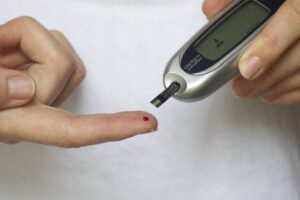
Nicotine will also inhibit the release of insulin, the hormone responsible for removing excess sugar from the blood. This leaves the smoker slightly hyperglycemic. This higher blood sugar acts as an appetite suppressant. Research has also shown that nicotine will increase the level of dopamine, the neurotransmitter responsible for feelings of pleasure. The acute phase of nicotine wears off within minutes so people are tempted to continue to dose themselves throughout the day to maintain the feelings of pleasure and prevent withdrawal.
Enrich your life and the lives of others by learning Aromatherapy, Reflexology or Color/Crystal Therapy at the Alternative Healing Academy! Convenient and easy-to-handle payment plans are available! Get 10% OFF of any course simply by liking our Facebook Page! After liking the page, click ‘shop now‘ to get the discount.